Contents
What is Sodalite? (Sodium Silicate)
Sodalite Stone is a complex structured sodium aluminum chloride silicate mineral belonging to the feldspathoid group. Its name comes from the high amount of sodium (Sodium - Na ) in its chemical composition.
Mohs: 5.5–6 • Density: 2.3 g/cm³
• Formula: Na₈(Al₆Si₆O₂₄)Cl₂
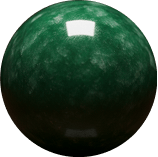
Sodalite is usually opaque and glassy, with deep blue tones. It often contains veins or streaks of white calcite. Since its hardness is moderate, care should be taken when using it for jewelry and decorative purposes.
Formation and Resources
- Formation: It occurs in volcanic rocks (Syenites) that are poor in silica (quartz) and rich in alkali (sodium, potassium).
- Resources: The largest and highest quality Sodalite deposits are in Brazil (Bahia), Canada (Ontario) and Namibia.
- Solubility: Sodalite has a tendency to dissolve in strong acids and emit a sulfur odor.
History and Meaning
Sodalite is considered a relatively modern discovery compared to other stones; It was discovered in Greenland in 1811 and became popular when a large deposit was discovered in Ontario, Canada, in 1891. Queen Victoria's husband, the Prince of Wales, loved this stone. Sodalite was widely used in architecture and decoration (especially in British royal buildings).
Sodalite is a mental bridge stone, combining both logic and intuition.
Spiritual Position
- Integrity: Sodalite supports the courage to express one's own beliefs and truths clearly.
- Rationality: Encourages logical thinking rather than emotional reactions; Helps relieve panic and phobias.
- Inner Journey: Facilitates inner visions and deep thoughts during meditation.
Physical and Chemical Properties
Sodalite has a unique chemical composition and physical structure.
Color Source
The blue color of the stone originates from the color centers formed by the electrons around the chloride ions in the crystal lattice.
Chemical Structure
It is a Sodium Chloride Aluminum Silicate. It is a complex mineral compound.
Hardness (Mohs)
Mohs is between 5.5 - 6. This means it is soft compared to quartz and ruby; Be careful not to scratch.
Brightness
It usually has a glass-like (vitreous) luster, but because it is opaque, the shine is not as deep.
Crystal System
It crystallizes in the cubic (isometric) system, but usually occurs as massive aggregates.
fluorescence
Some types of Sodalite (especially the Canadian variety Hackmanite) can show intense pink or red fluorescence under UV light.
Spiritual & Energetic Effects of Sodalite
Sodalite establishes a strong connection with both the Throat Chakra (Communication) and the Third Eye Chakra (Intuition).
Self Expression
It cleans the throat chakra, allowing the person to express himself/herself without hesitation and honestly.
Mental Performance
Improves learning ability, memory and rational thinking; It is especially ideal for those who study.
Panic Attack Support
Calms overstimulation of the mind; It provides emotional balance in times of panic attacks and anxiety.
Third Eye
It increases intuitive awareness and builds a harmonious bridge between logic and intuition.
Confidence
Strengthens self-esteem and self-confidence; It allows the person to accept his abilities.
Emotional Balance
It helps hyperemotional people to gain ground on logic and stabilizes their mood.
Areas of Use and Compatible Bushes
Workspace
It is recommended to keep it on the desk for work that requires mental focus and creativity.
speakers
It is used as jewelry to support the throat chakra before public speeches, presentations or meetings.
Decor
Its large masses are used as decorative objects to add serenity and wisdom energy to interior spaces.
zodiac Compatible Signs
It is especially compatible with the signs of Sagittarius (knowledge and philosophy), Aquarius (logic) and Libra (balance).
Sleep Support
It is believed to reduce nightmares and provide deep, peaceful sleep when placed under the pillow.
Maintenance Note
It should be kept away from harsh chemicals and long-term water. A soft brush and soapy water are sufficient for cleaning.
Difference Between Sodalite and Lapis Lazuli
Sodalite is often confused with Lapis Lazuli, but there are mineralogical and visual differences between them:
Sodalite Color
It has flatter, dark blue or violet blue tones. It contains veins of white calcite.
Lapis Lazuli Color
It has a vibrant, sky blue color. It contains white calcite and distinctive golden pyrite (iron sulphide) flecks.
Chemical Difference
Lapis Lazuli is a mixture (rock) of minerals such as Lazurite, Calcite and Pyrite, as well as Sodalite. Sodalite is a single mineral.
Sodalite Quick Notes
Frequently Asked Questions
Why does sodalite sometimes turn purple in color?
The color of sodalite may change slightly under the influence of light and heat. This violet-blue hue is a result of the natural chemical structure of the stone and does not detract from its quality.
Do Sodalite and Lapis Lazuli have the same energy?
Both are blue stones and affect the third eye and throat chakras. However, Lapis Lazuli is more associated with kingship and divine wisdom, while Sodalite is more associated with logic, rationality and emotional balance.
Is it harmful to clean sodalite in water?
Because it has low Mohs hardness and contains sodium chloride, leaving it in water for a long time can damage the surface of the stone. Short-term washing does not cause problems, but the safest is purification with moonlight and incense.
Does sodalite help sleep?
Yes, thanks to its ability to reduce mental confusion and anxiety, it supports the transition to deep and quality sleep, especially in people whose minds are not quiet.
Is sodalite good for fear of public speaking?
It is a useful support for those who suffer from fear of public speaking (glossophobia), as it supports the power of expression by opening the throat chakra and balances the state of emotional panic.
Discover Your Inner Peace: Sodalit Collection
Examine Sodalite jewelry and natural masses that strengthen mental clarity and correct expression. Give yourself the gift of balance.
The spiritual and energetic features included in this guide are based on traditional beliefs and cultural background; It is not scientifically proven and is not a substitute for medical advice. The stone type of our products is guaranteed by the information stated on the product pages.