
Contents
What is Amethyst?
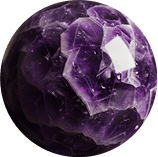
Amethyst; It is a purple colored variety of the quartz family. It gets its color from the iron ions in its crystal lattice and natural radiation effects. Its Mohs hardness is 7 and it is scratch resistant.
Mohs: 7 • Density: ~2.65 g/cm³ • Chemical Formula: SiO₂
It takes its name from the Greek word amethystos (not intoxicating); In ancient civilizations, it was seen as a symbol of clear mind and spiritual purification.
Formation & Resources
- It crystallizes in volcanic rock cracks through hydrothermal processes.
- Main sources: Brazil, Uruguay, Zambia, Russia, Madagascar.
- Hue differences depend on regional iron density and thermal history.
History and Cultural Importance
Amethyst; From Ancient Greece to Medieval Europe, it was considered the stone of wisdom, tranquility and protection. It is frequently featured in royal jewels and religious objects.
Amethyst clarifies the mind; It gives tranquility to the heart.” — Belief stated in classical sources
Amethyst in Cultures
- Symbol of nobility in the royal jewels
- Balance in meditation and energy practices
- Symbol of purification and wisdom on religious objects
Physical and Chemical Properties
Purple Shades
Rich scale from light lilac to deep purple.
Crystal System
Hexagonal; shiny and glass-like appearance in cross section.
Transparency
Translucent – transparent; Impressive shine with light.
Thermal Sensitivity
It can turn into yellow tones (citrine) with high heat.
Magnetic Response
Very poor magnetic behavior due to traces of iron.
Durability
Suitable for daily jewelry use; It is not easily scratched.
Chemical Composition
| Component | Formula | Percentage (%) | Notes |
|---|---|---|---|
| Silicon Dioxide | SiO₂ | ~99 | Basic skeleton of quartz |
| Traces of Iron | Fe³⁺ | Trace | The main reason for the purple color |
| Aluminum & Other Traces | Take, etc. | Trace | May affect color tone and clarity |
Amethyst Types
The source area, color intensity and internal structure affect the value and intended use.
Siberian Amethyst
Deep purple and red undertones; high collection value.
- intense color
- high purity
- striking appearance
Uruguayan Amethyst
It is known for dark purple geodes and shiny crystals.
- high brightness
- deep tones
- jewelery quality
Zambian Amethyst
It is distinguished by its cool purple and blue undertones.
- cool tone palette
- Clean internal structure
- Preference in jewelry
Chevron (Banded) Amethyst
A combination of purple amethyst and milky white quartz bands.
- richness of patterns
- Decorative
- energy studies
Rose/Lavender Amethyst
Light purple and romantic tones; Popular in objects.
- soft tone
- decorative use
- gift alternative
Ametrine (Amethyst + Citrine)
Naturally transitional purple-yellow zoning; rare and remarkable.
- two colors together
- Natural zoning
- collection interest
Selection Tip:
Consider color intensity, clarity and size together according to your intended use (jewellery, object, meditation).
Spiritual and Traditional Benefits of Amethyst
The following content is based on traditional beliefs and user experiences; It is not medical advice.
Balance
It is believed to support mind-heart harmony.
Sleep Quality
Anticipation of a calming effect under the pillow.
Mental Clarity
Clarity in focus and decision making.
Purification of Negativity
Energy purification and protection symbolism.
Power of Expression
Flow and clarity in communication.
Compassion
Strengthening empathy and gentle approach.
Notes:
Be sure to consult a specialist physician for your health problems. Natural stones are complementary.
Use of Amethyst in Jewelry and Decoration
Gift of jewelry
A popular choice in rings, necklaces, earrings and bracelets.
Decor
Balance in living spaces with geodes, spheres and objects.
Meditation
Crystal points/spheres aid focus and tranquility.
Bead
8–10 mm beads are ideal for everyday accessories.
Gift
Elegant alternative for birthstones and special occasions.
Showcase
Deep purple tones are impressive in photography and showcases.
Amethyst Maintenance & Cleaning
Cleaning with Water
Warm water and gentle soap; then dry with a microfiber cloth.
moonlight
It may be preferable to keep it on the windowsill during the full moon.
Avoid the Sun
Long-term UV exposure may cause discoloration.
Heat
Excessive heat can cause citrinization and color change.
chemicals
Keep away from household chemicals and perfumes.
Adjustment & Mounting
Periodic control of jewelry; Secure loose stones.
Buying Guide
Color Intensity
Deep, uniform purple tones are more valuable.
Clarity
Stones with low inclusions and high transparency are preferred.
Transaction Information
The heat treatment/painting declaration must be transparent.
Dimension
6–12 mm beads depending on use, large geodes for display.
Source
Uruguay/Zambia dark tone; Brazil wide range of size options.
Price
Varies in color, clarity, size and cut.
Quality Criteria
| Criterion | High | Middle | Low |
|---|---|---|---|
| Colour | Deep/homogeneous purple | medium dense | Pale/irregular |
| Clarity | few inclusions | Low-medium inclusions | prominent inclusions |
| Brightness | High | Middle | Low |
| Cutting/Workmanship | Symmetrical/smooth | Good | Irregular |
| Size Consistency | Equal | little difference | obvious difference |
Amethyst Quick Notes
Brief summary of key features
Frequently Asked Questions
Is amethyst real? How can I tell?
Natural amethyst is cold, harder than glass (Mohs 7), and color transitions are natural. Expert opinion is recommended for accuracy.
Does amethyst fade in the sun?
Prolonged sun (UV) exposure can weaken the color; Therefore, direct sun should be avoided.
Is ametrine an amethyst?
Ametrine; It is a natural mixture of amethyst and citrine in a single crystal, showing purple-yellow zoning.
How to use it in meditation?
The crystal point/sphere can be held in the hand or placed in the seating area; It is used with breath and intention.
Our Special Amethyst Collection
Selected crystals, transparent process information and careful craftsmanship.
The spiritual and energetic features included in this guide are based on traditional beliefs and cultural background; It is not scientifically proven and is not a substitute for medical advice. The stone type of our products is guaranteed by the information stated on the product pages.